Burn Injuries from Accidents in Las Vegas: What Nevada Victims Need to Know
In This Article
Burn injuries are among the most devastating and painful injuries a person can suffer — and they are far more common in Las Vegas than most people realize. Hotel and resort fires, casino kitchen accidents, gas explosions at construction sites, defective product burns, chemical exposure injuries, and electrical accidents on the Strip all happen with disturbing frequency. When another party's negligence causes you to suffer burns, Nevada personal injury law entitles you to full compensation for what may be a lifetime of medical treatment, scarring, and emotional trauma. The Law Offices of Thomas Boley represents burn injury victims throughout Clark County, fighting for the maximum recovery you deserve.
The Severity of Burn Injuries
Burns are classified by degree: First-degree burns affect only the outer skin layer (epidermis), causing redness and pain — most sunburns fall here. Second-degree burns damage the epidermis and part of the dermis, causing blisters, intense pain, and significant risk of infection and scarring. Third-degree burns destroy the full thickness of skin, often requiring skin grafting and leaving permanent scarring — nerve damage may eliminate sensation entirely. Fourth-degree burns — the most severe — penetrate muscle, tendon, or bone, often resulting in amputation. In Nevada accident cases, second-, third-, and fourth-degree burns routinely generate seven-figure claims due to the extraordinary medical costs, long-term care needs, and profound impact on the victim's life.
Free case review
Injured or Facing Charges in Las Vegas?
Thomas Boley offers free consultations — no fees unless we win your case.
For more background, see our guides on product Liability in Nevada and casino Accident Injuries in Las Vegas.
Common Causes of Burn Injuries in Las Vegas
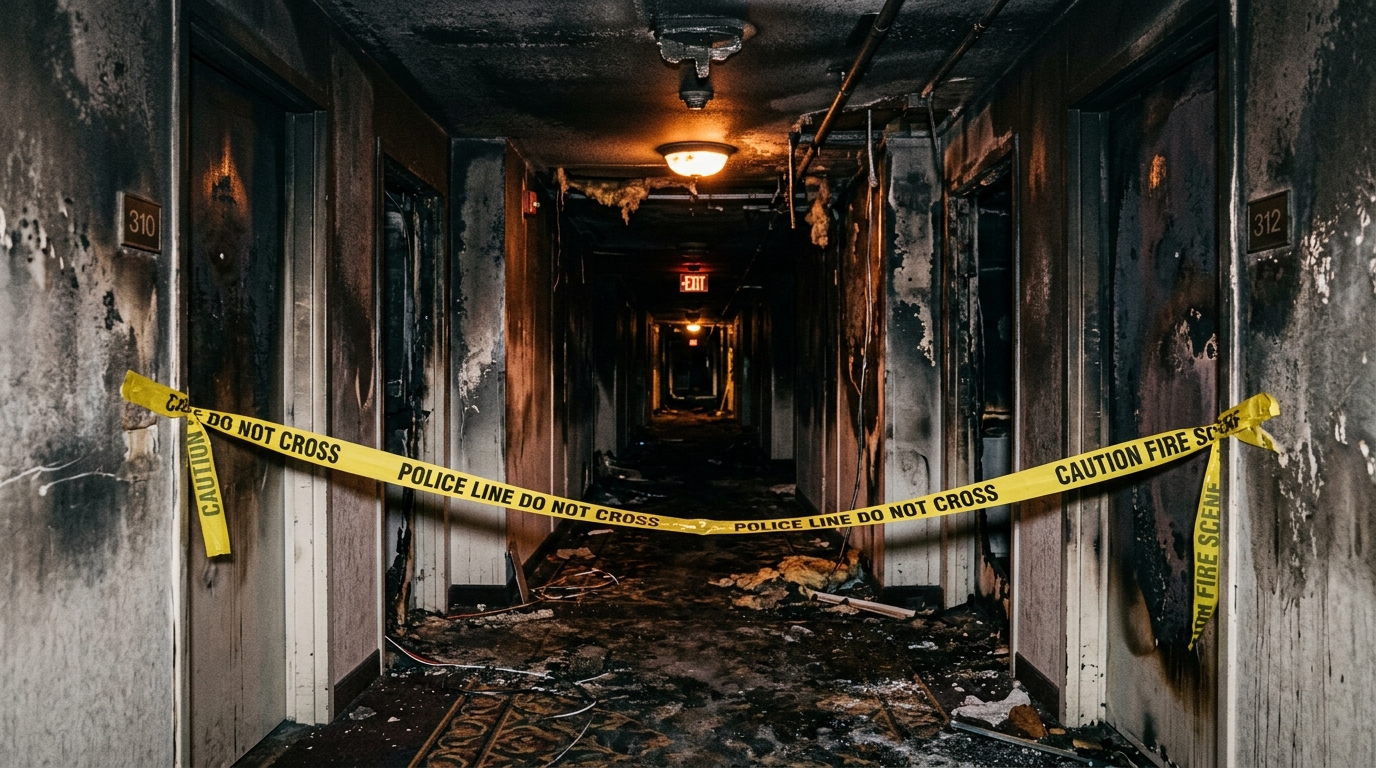
Hotel and resort fires: Las Vegas attracts tens of millions of visitors annually, and its aging hotel infrastructure — combined with high occupancy rates — creates fire risks. Faulty wiring, kitchen fires, inadequate sprinkler systems, and blocked fire exits have injured guests at hotel properties across the Strip and downtown. Hotel operators owe guests a duty of care to maintain fire safety systems and comply with Nevada fire code requirements.
Restaurant and casino kitchen burns: The Las Vegas hospitality industry operates some of the highest-volume kitchens in the world. Employees are routinely burned by grease fires, steam explosions, scalding liquids, and improperly maintained commercial kitchen equipment. Workers' compensation applies to employees, but third-party liability claims may exist against equipment manufacturers or maintenance contractors.
Defective products: Lithium-ion battery explosions (laptops, phones, e-cigarettes, e-scooters), faulty appliances, defective cookware, and malfunctioning power tools cause serious burn injuries. These cases fall under Nevada strict product liability law — the manufacturer is liable for defective design or manufacturing defects that cause injury, regardless of fault (see NRS 41.141 and Nevada's adoption of Restatement (Second) of Torts § 402A).
Chemical burns: Exposure to industrial chemicals, cleaning agents, pool chemicals, and construction materials can cause severe chemical burns. Property owners and employers who store, handle, or use hazardous chemicals owe duties under OSHA regulations and Nevada workplace safety law. Guests and visitors who are exposed to improperly stored chemicals on private property may have premises liability claims.
Electrical burns: Faulty wiring in commercial buildings, construction site electrical hazards, downed power lines, and defective electrical equipment cause electrical burns that often damage internal tissue far more severely than the external injury suggests. Electrical burns can trigger cardiac arrhythmias, organ damage, and neurological injury alongside the visible burns.
Car and truck accident fires: High-speed crashes can rupture fuel tanks and trigger fires. Victims trapped in burning vehicles suffer catastrophic burn injuries. In addition to the at-fault driver's liability, vehicle manufacturers may face product liability claims if a defective fuel system contributed to the fire.
Medical Treatment and Long-Term Costs of Serious Burns
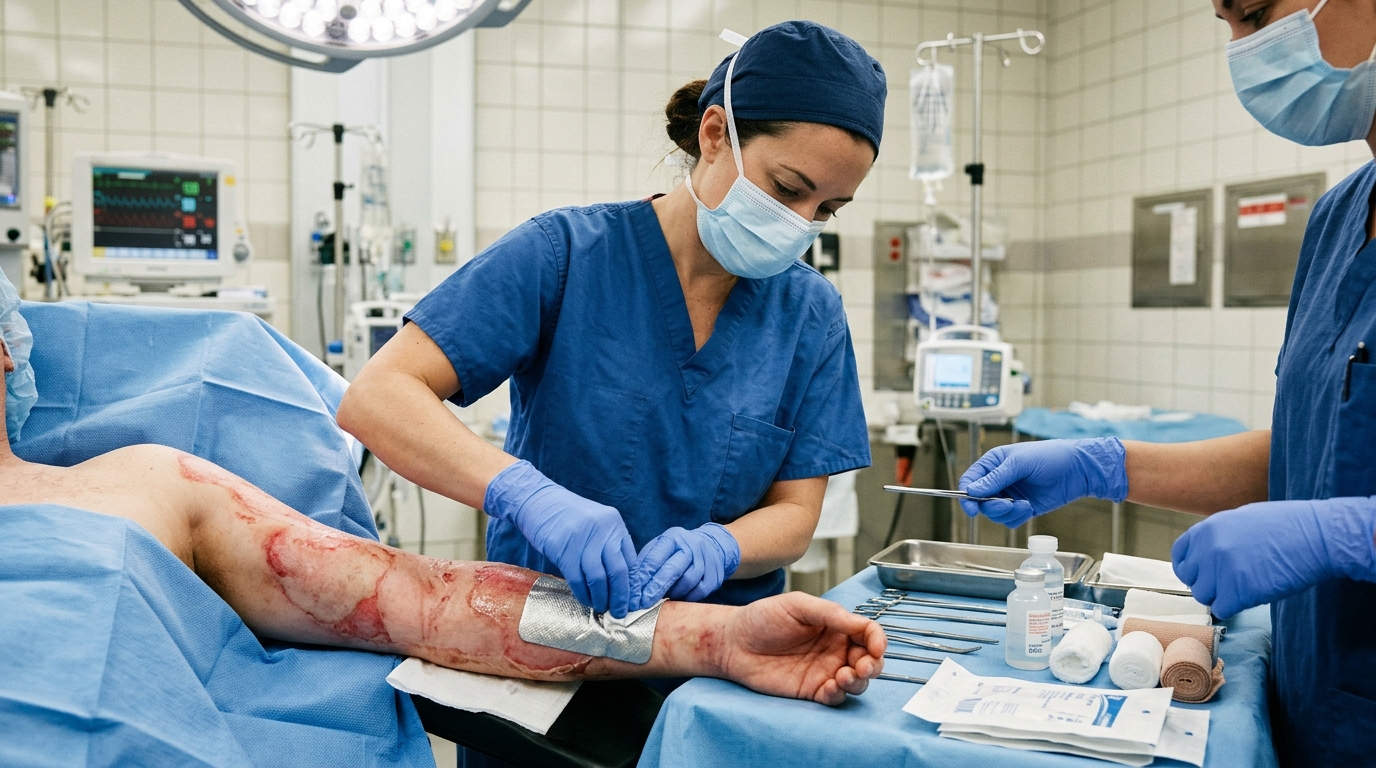
Serious burn injuries require treatment far beyond the emergency room. The typical medical journey for a significant burn victim includes: emergency stabilization and wound debridement; hyperbaric oxygen therapy; multiple skin graft surgeries (often requiring repeat procedures over years); treatment in a specialized burn unit (University Medical Center in Las Vegas operates a burn center); months of inpatient rehabilitation; occupational and physical therapy to restore function; psychological treatment for PTSD and depression (both extremely common among burn survivors); scar management including compression garments, laser treatment, and reconstructive surgery; and lifelong follow-up care. The total lifetime medical cost for severe burn injuries routinely exceeds $1 million — and often multiple millions for fourth-degree burns or burns over a large percentage of the body.
What Damages Can Nevada Burn Injury Victims Recover?
Nevada law allows burn injury victims to recover all past and future medical expenses — including treatment, surgery, rehabilitation, and anticipated future care needs; lost wages and future earning capacity (severe burns often permanently end careers); pain and suffering (Nevada imposes no cap on non-economic damages in personal injury cases — burn injuries routinely generate substantial pain and suffering awards given the prolonged, excruciating nature of the injuries and recovery); disfigurement and scarring (compensable as a separate element of damages in Nevada); emotional distress and psychological trauma (PTSD is nearly universal among serious burn survivors); loss of consortium; and in fatal burn cases, wrongful death damages under NRS 41.085. Where the defendant's conduct was grossly negligent or reckless — such as a property owner who ignored known fire code violations — punitive damages under NRS 42.005 may be available (generally capped at 3x compensatory damages or $300,000, whichever is greater, with an exception for express malice).
Proving Negligence in a Nevada Burn Injury Case
To recover in a burn injury case, you must establish: (1) Duty: The defendant owed you a legal duty of care — a hotel owes guests fire safety; an employer owes workers a safe workplace; a product manufacturer owes consumers a safe product. (2) Breach: The defendant violated that duty — failed to maintain fire safety systems, produced a defective product, improperly stored hazardous chemicals. (3) Causation: The breach caused your burn injuries. (4) Damages: You suffered quantifiable harm. Nevada's modified comparative fault rule (NRS 41.141) applies — your recovery is reduced by your percentage of fault, and you are barred from recovery if more than 50% at fault. In most burn injury cases, the victim bears little or no fault.
Evidence Preservation Is Critical
Strong burn injury cases require preserving evidence quickly: the scene of the fire or chemical exposure (document before cleanup); the defective product (do not discard or repair it); surveillance camera footage (overwritten within days at many properties); fire investigation reports; OSHA incident reports; maintenance records and fire inspection logs; and medical records from first responders through ongoing treatment. Call an attorney immediately — many critical evidence sources disappear within 24–72 hours.
Why Choose Thomas Boley for Your Burn Injury Case?
We have extensive experience with serious and catastrophic personal injury claims in Las Vegas. Burn injury cases require specialized expert witnesses — fire investigators, burn care medical experts, vocational rehabilitation specialists, and life care planners who can credibly project lifetime medical costs. We handle these cases on a contingency fee — no charge unless we win. Call (702) 435-3333 any time, 24/7, for a free consultation. We serve Las Vegas, Henderson, Summerlin, North Las Vegas, and all of Clark County.
Frequently Asked Questions
Q: How long do I have to file a burn injury lawsuit in Nevada?
A: The general statute of limitations for personal injury claims in Nevada is two years from the date of injury (NRS 11.190). For product liability claims, the same two-year period applies from when you knew or should have known the product caused the injury. There are exceptions — claims against government entities require a notice of claim within a much shorter window (often 90 days). Contact us immediately to ensure your rights are preserved.
Q: My burn happened at work — can I still sue?
A: Workers' compensation is generally the exclusive remedy against your employer for workplace injuries in Nevada (NRS 616A.020). However, you may have a third-party claim against: the manufacturer of defective equipment that caused the burn; a contractor or subcontractor who created the hazardous condition; the owner of the property where you were working (if not your employer); or a chemical supplier who provided improperly labeled or stored materials. We analyze all potential defendants in every workplace burn case.
Q: The fire was partly caused by my own actions — can I still recover?
A: Yes, as long as your fault does not exceed 50%. Nevada's modified comparative fault rule (NRS 41.141) reduces your recovery by your percentage of fault. For example, if you are found 20% at fault and your damages are $1 million, you recover $800,000. Only if you are more than 50% at fault are you barred from recovery entirely.
Q: My e-cigarette exploded and burned my face — who is responsible?
A: The manufacturer and distributor of the e-cigarette device or battery may be strictly liable for defective design or manufacturing under Nevada products liability law. You do not need to prove the company was negligent — only that the product was defective and the defect caused your injury. Retain the device (do not throw it away), seek immediate medical treatment, and call us.
Q: What is the typical value of a burn injury case?
A: There is no 'typical' value — it depends entirely on the severity of the burn (degree and percentage of body surface area affected), total medical costs, impact on earning ability, disfigurement, and pain and suffering. Minor second-degree burns with full recovery may settle for tens of thousands. Third- or fourth-degree burns requiring extensive surgery, grafting, and long-term care regularly produce seven-figure results. We work with life care planners and medical experts to accurately quantify the full lifetime impact of your injuries.
For more information, visit our Las Vegas personal injury attorney | schedule a free consultation.
About the Author
Thomas Boley is a Nevada licensed attorney specializing in personal injury law and criminal defense. Since 2008, Thomas has represented thousands of clients in Las Vegas and Clark County, recovering millions of dollars in compensation for injury victims. He is a member of the State Bar of Nevada, the Clark County Bar Association, and the Nevada Justice Association.
Need Legal Help? Contact Thomas Boley for a free consultation: (702) 435-3333