Negligent Security Claims in Las Vegas: When Property Owners Fail to Protect You
In This Article
Las Vegas is one of the most heavily trafficked cities in the world — tens of millions of visitors pour through its casinos, hotels, nightclubs, parking garages, shopping centers, and entertainment venues every year. With that density comes a serious and often underreported problem: violent crime on private property. When a hotel, casino, nightclub, or other business fails to provide adequate security and a guest or visitor is assaulted, robbed, or killed as a result, Nevada premises liability law holds the property owner accountable. The Law Offices of Thomas Boley handles negligent security claims throughout Clark County — pursuing justice for victims of preventable violence on private property.
What Is a Negligent Security Claim?
A negligent security claim is a type of premises liability lawsuit against a property owner or manager who failed to implement adequate security measures, and that failure allowed a foreseeable violent crime to injure or kill someone on the property. Under Nevada law, property owners owe a duty of reasonable care to lawful visitors (invitees and licensees). When the risk of criminal activity on or near the property is foreseeable — based on prior incidents, crime statistics for the area, or the nature of the business — the property owner must take reasonable steps to protect visitors. When they don't, and someone is injured, the owner is liable.
Free case review
Injured or Facing Charges in Las Vegas?
Thomas Boley offers free consultations — no fees unless we win your case.
Negligent security claims are distinct from claims against the attacker themselves. The attacker may be judgment-proof (no money to pay a verdict). But the property owner — a casino resort, hotel chain, entertainment company, or retail corporation — carries substantial insurance and assets. These cases ensure that victims are not left without recourse simply because their attacker cannot pay.
You may also find slip and Fall Liability and casino Accident Injuries in Las Vegas useful.
Nevada Premises Liability Law and the Duty of Care
Nevada premises liability law classifies visitors as invitees (business visitors invited onto property for commercial purposes), licensees (social guests), and trespassers. Las Vegas hotels, casinos, nightclubs, retail stores, and entertainment venues owe their customers — invitees — the highest duty of care: to inspect, maintain, and keep the premises reasonably safe, and to warn of known hazards. This duty explicitly extends to foreseeable criminal acts by third parties when prior incidents or the nature of the property put the owner on notice.
Nevada courts apply a foreseeability analysis: was the type of criminal activity that injured the plaintiff reasonably foreseeable given the property's history and location? Courts consider prior similar incidents on the property, crime statistics in the surrounding area, the nature of the business (a nightclub with a history of altercations faces a higher duty than a residential building), and any complaints or warnings the property owner received before the incident.
Common Negligent Security Scenarios in Las Vegas
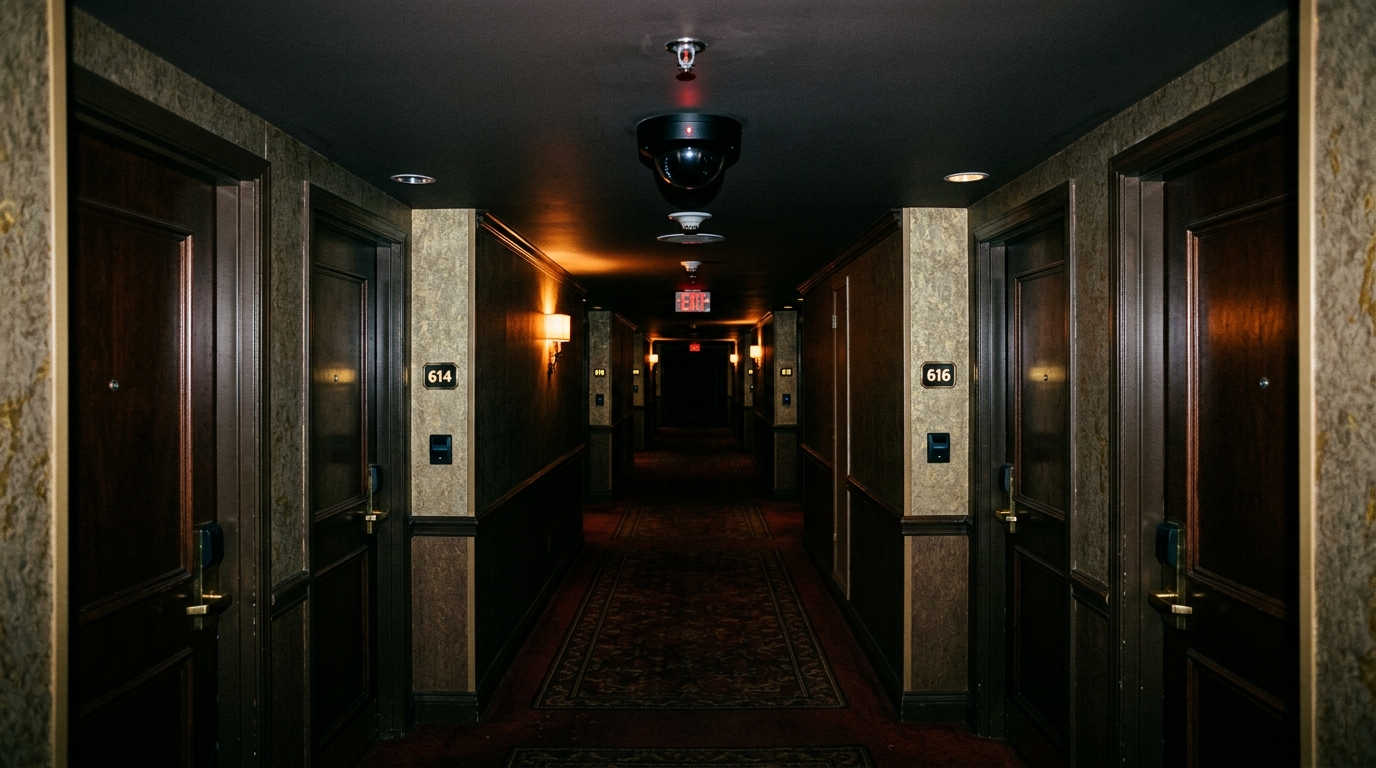
Casino and hotel assaults: Las Vegas casino resorts are required to maintain substantial security operations. When security is understaffed, undertrained, or simply absent — and a guest is attacked in a hotel hallway, elevator, parking structure, or casino floor — the resort can be held liable. We have handled cases involving assaults in hotel corridors, elevator attacks, pool area violence, and nightclub altercations where security failed to intervene or was never present.
Nightclub and bar violence: The Las Vegas Strip and downtown entertainment corridor generate thousands of alcohol-fueled altercations annually. Nightclub owners who fail to train door staff, employ adequate bouncers, monitor crowd capacity, or separate known combatants can be held liable for resulting injuries. Dram shop liability (liability for over-serving alcohol) may also apply under NRS 41.1305.
Not every security failure involves an absent guard — sometimes the guard or bouncer is the one who hurts you. When that happens, the claim shifts from negligent security to excessive force by casino or bar security, a distinct case type our firm also litigates.
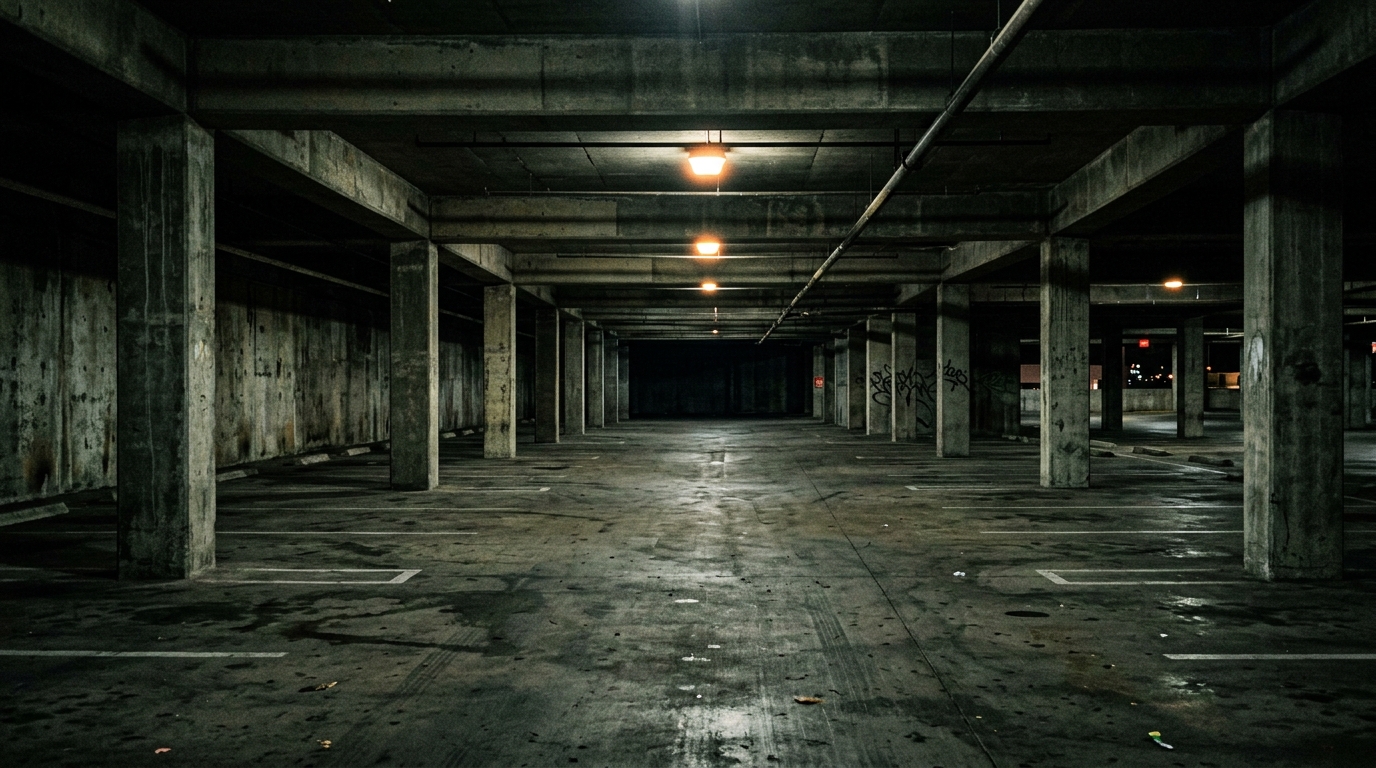
Parking garage and parking lot attacks: Poorly lit, unsupervised parking structures are among the most dangerous locations in Las Vegas for violent crime. Property owners who fail to install adequate lighting, security cameras, emergency call stations, or security patrols in high-crime parking areas can be held liable for assaults, carjackings, and robberies.
Apartment complex attacks: Residential property owners and management companies owe tenants and their guests a duty to maintain reasonably secure premises. Broken gate locks, non-functioning security cameras, inadequate lighting in common areas, and failure to respond to prior security incidents are all grounds for negligent security liability.
Retail store and shopping center violence: Robberies, assaults, and carjackings in shopping center parking lots are foreseeable — especially in areas with documented prior incidents. Retailers and mall operators who fail to employ security personnel or maintain adequate surveillance systems can face premises liability.
What You Must Prove in a Nevada Negligent Security Case
A successful negligent security claim in Nevada requires proving four elements: (1) Duty: The property owner owed a duty of reasonable care to you as a lawful visitor. (2) Breach: The owner failed to implement adequate security measures given the foreseeable risk of criminal activity — specific failures like broken locks, inadequate lighting, insufficient security staff, or no surveillance cameras. (3) Causation: The breach was a proximate cause of your injury — in other words, adequate security would have prevented or deterred the attack. (4) Damages: You suffered quantifiable physical, emotional, or financial harm as a result.
The most litigated element is causation. Defense attorneys argue that even with adequate security, the attacker would have committed the crime. We counter this with expert security consultants who testify about industry standards, prior incident reports, and how specific security measures (additional lighting, security presence, access controls) would have deterred or interrupted the attack before injury occurred.
Evidence in Negligent Security Cases
Building a strong negligent security case requires gathering evidence quickly — before it is overwritten, lost, or destroyed: security camera footage (hotels and casinos cycle surveillance footage in as little as 30–72 hours — demand preservation immediately); prior incident reports (prior crimes at the same location establish foreseeability); police call logs for the property and surrounding area; security staffing records (were required security positions filled?); maintenance and inspection logs (broken locks, burned-out lights); security policies and training records; and expert security consultant testimony. Time is critical — call an attorney the same day as the incident whenever possible.
Damages in Nevada Negligent Security Cases
Victims of negligent security in Nevada can recover: medical expenses (emergency care, surgery, hospitalization, rehabilitation, and ongoing treatment for physical and psychological injuries); lost wages and earning capacity; pain and suffering (Nevada has no cap on non-economic damages in premises liability cases); emotional distress and PTSD (violent crimes cause lasting psychological trauma that is fully compensable); loss of consortium; and in cases involving death, wrongful death damages under NRS 41.085. Where the property owner knew about the security risk and consciously disregarded it, punitive damages under NRS 42.005 may be available.
Why Choose Thomas Boley for Your Negligent Security Case
Negligent security cases against major Las Vegas casino resorts, hotel chains, and entertainment companies require going up against well-resourced defendants with experienced defense teams. We know the Las Vegas property landscape, have access to security industry experts, and move quickly to preserve critical evidence before it disappears. We handle all premises liability and negligent security cases on a contingency fee — no charge unless we recover. Call (702) 435-3333 any time, 24/7, for a free confidential consultation. We serve Las Vegas, Henderson, Summerlin, North Las Vegas, Boulder City, and all of Clark County.
Frequently Asked Questions
Q: Can I sue a casino if I was assaulted on their property?
A: Yes — if the assault was foreseeable and the casino failed to take reasonable security precautions. Las Vegas casino resorts maintain large security operations and face a heightened duty of care given the volume of guests, the presence of alcohol, and documented histories of incidents. Prior assaults at the same property, understaffing, or security camera blind spots are common evidence of breach.
Q: The person who attacked me has already been arrested — does that affect my civil claim?
A: No. A criminal prosecution of the attacker is separate from your civil negligent security claim against the property owner. You can pursue both simultaneously. In fact, a criminal conviction of the attacker may strengthen your civil case by establishing that the attack occurred. The more important defendant for civil recovery purposes is often the property owner, who has insurance and assets the attacker lacks.
Q: What if I was partially at fault — for example, if I was intoxicated?
A: Nevada's modified comparative fault rule (NRS 41.141) allows recovery even if you were partially at fault, as long as your fault does not exceed 50%. Being intoxicated does not automatically bar your claim — property owners must account for the foreseeable presence of intoxicated guests, especially in Las Vegas entertainment venues. We present the full picture to maximize your recovery.
Q: How quickly do I need to act after a negligent security incident?
A: Immediately. Security camera footage is typically overwritten within 30–72 hours. We send legal hold letters to preserve evidence the same day you contact us. Nevada's statute of limitations for personal injury claims is two years (NRS 11.190), but waiting even days can result in the loss of critical evidence. Call us right away.
Q: The attack happened in a hotel room — can I still make a negligent security claim?
A: Possibly. If the attacker gained access due to a hotel security failure — a broken door lock, a key card system vulnerability, failure to respond to distress calls, or allowing unauthorized persons access to guest floors — the hotel may be liable. These cases require detailed investigation of the hotel's access control systems and security protocols.
For more information, visit our Las Vegas personal injury attorney | schedule a free consultation.
About the Author
Thomas Boley is a Nevada licensed attorney specializing in personal injury law and criminal defense. Since 2008, Thomas has represented thousands of clients in Las Vegas and Clark County, recovering millions of dollars in compensation for injury victims. He is a member of the State Bar of Nevada, the Clark County Bar Association, and the Nevada Justice Association.
Need Legal Help? Contact Thomas Boley for a free consultation: (702) 435-3333